What Is Always-On Creative and Why Does It Outperform Project-Based Design?
Project-based creative might check the boxes, but it rarely drives sustainable growth. Sales collateral gets outdated, event assets miss the mark, and product launches feel disjointed. The companies that consistently hit revenue and pipeline goals aren’t doing more, they’re doing design differently.
They treat creative as a strategic, revenue-driving function, aligning marketing design strategy with business objectives and building integrated, always-on creative partnerships that actually deliver measurable results.
Always-On Creative Capacity Is a Revenue Function, Not a Nice-to-Have
Design doesn’t drive revenue in isolation. It drives revenue through sustained, consistent execution across every customer touchpoint.
This includes:
Conferences and industry events
Sales enablement materials
Product marketing collateral
Partner and sponsor assets
Corporate marketing communications
Every one of these touchpoints influences perception, credibility, and conversion.
When creative support is inconsistent or reactive, pipeline momentum slows. Teams delay launches. Sales uses outdated materials. Event investments underperform.
An always-on creative model ensures marketing and sales teams have the assets they need, when they need them, without starting from scratch each time.
This doesn’t just improve efficiency. It improves performance.
Conferences Are Still One of the Highest-ROI Channels in B2B
Conferences remain one of the most valuable channels for established B2B companies. But simply attending isn’t enough.
Design directly influences whether a company blends in or becomes a focal point for conversations, partnerships, and leads.
High-performing companies approach conference design strategically, including:
Event-specific branding aligned to the venue, theme, and audience
Cohesive signage, displays, and experiential assets that increase engagement
Sales materials optimized for in-person conversations
Sponsor and partner graphics that reinforce credibility
Branded assets that extend beyond the booth into networking and ancillary events
When every visual touchpoint reinforces positioning and professionalism, companies don’t just show up, they stand out. And that distinction directly impacts lead quality and conversion.
Sales Enablement Is Only Effective If It Reflects Your Current Positioning
Many B2B companies evolve faster than their sales materials do. Especially in B2B SaaS, product capabilities expand and market positioning adjusts, but presentations, one-pagers, and corporate collateral often lag behind. This creates friction in the sales process.
Prospects see inconsistencies and value propositions feel underdeveloped. Sales teams compensate by explaining what the materials don’t communicate effectively.
Consistent, ongoing design support keeps sales enablement materials evolving with the business. Messaging stays aligned, credibility is reinforced, and sales teams can close faster and more confidently. It’s also one of the clearest areas to measure design ROI: sales materials can improve conversion rates.
SaaS Growth Demands Design That Converts Executives
In B2B SaaS, product marketing connects capabilities to market demand—but strategy alone isn’t enough. Messaging and design must communicate clearly, consistently, and in a way that helps buyers—not just users—understand value quickly.
Effective product marketing design for SaaS:
Clarifies complex offerings so executives see the business impact, not just features
Reinforces differentiation in a crowded market
Supports launch momentum with cohesive, on-brand assets
Enables sales teams to communicate value quickly and confidently
The shift is critical: design for the buyer, not just the user. Users care about how the product works; executives care about what it makes possible. When design and messaging focus only on functionality, decision-makers must do extra work to connect the dots—friction that slows adoption and pipeline momentum.
When product marketing and design operate in alignment—especially through conversion-focused brand and sales enablement design—new offerings gain traction faster, adoption improves, and revenue growth accelerates. This is particularly important for SaaS companies introducing new features, expanding markets, or refining positioning.
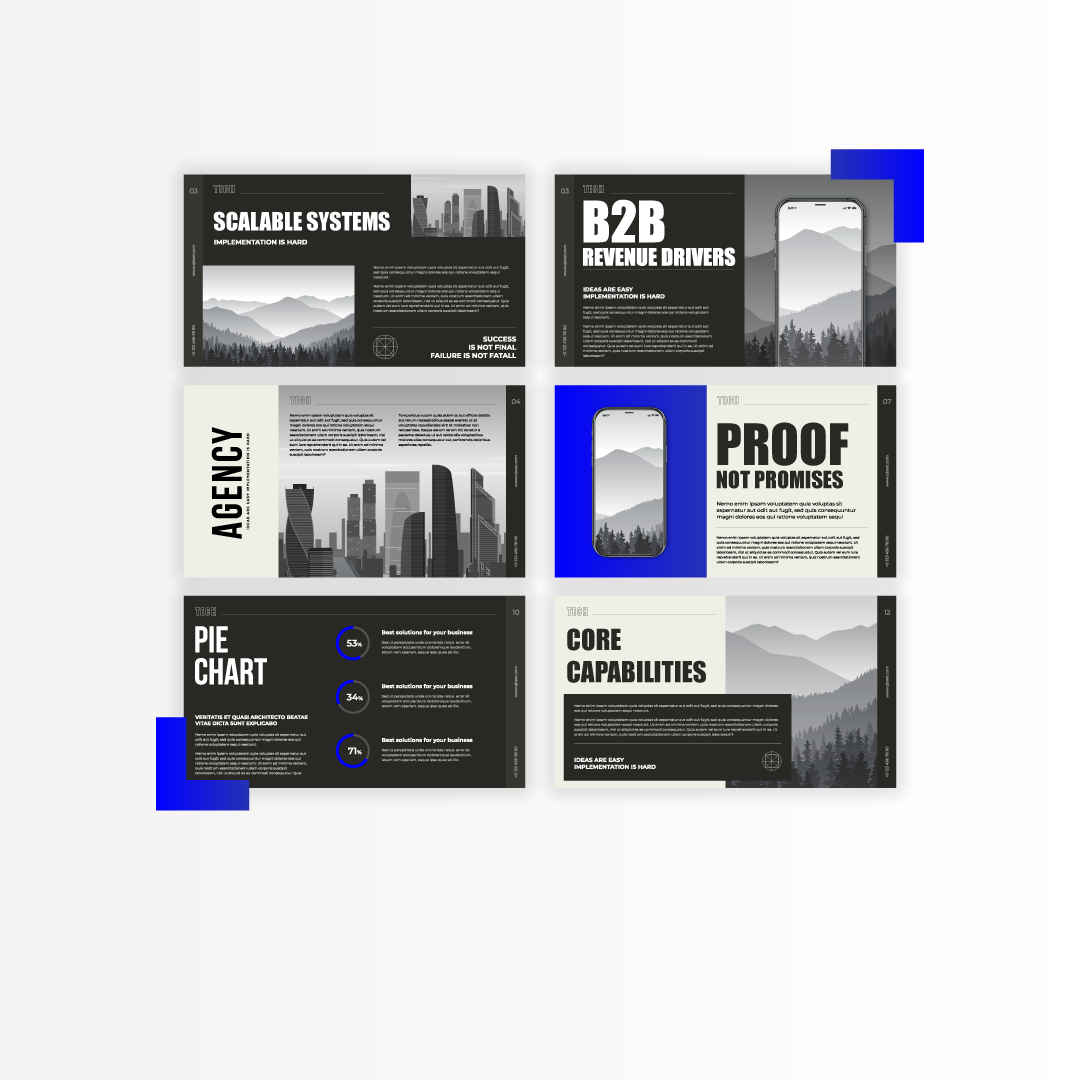
Why Strong Brand Design Shortens B2B SaaS Sales Cycles
Conversion-focused brand design and pitch deck strategy help executives understand value quickly, trust your company’s readiness, and make faster decisions, turning design into a driver of revenue, not just aesthetics.
Structured Creative Partnerships Improve Both Efficiency and Performance
The highest-performing B2B companies don’t rely on ad hoc creative support. They build structured creative partnerships designed to meet ongoing business needs. Marketing and sales operate with confidence, knowing creative support is available, aligned, and scalable—reducing bottlenecks and accelerating execution across the organization.
This model delivers:
Continuous access to creative expertise
Prioritized execution aligned with business goals
Clear ownership and accountability
Flexibility to scale as priorities evolve
Work is systematically tracked, feedback is actionable, and resources are focused where they drive the most impact. The result: predictability without rigidity. Critical initiatives move forward, internal teams avoid delays, and leadership sees consistent progress tied to measurable objectives.
By connecting creative execution directly to business outcomes, every asset serves a purpose beyond aesthetics, strengthening pipeline, clarifying positioning, and driving growth.
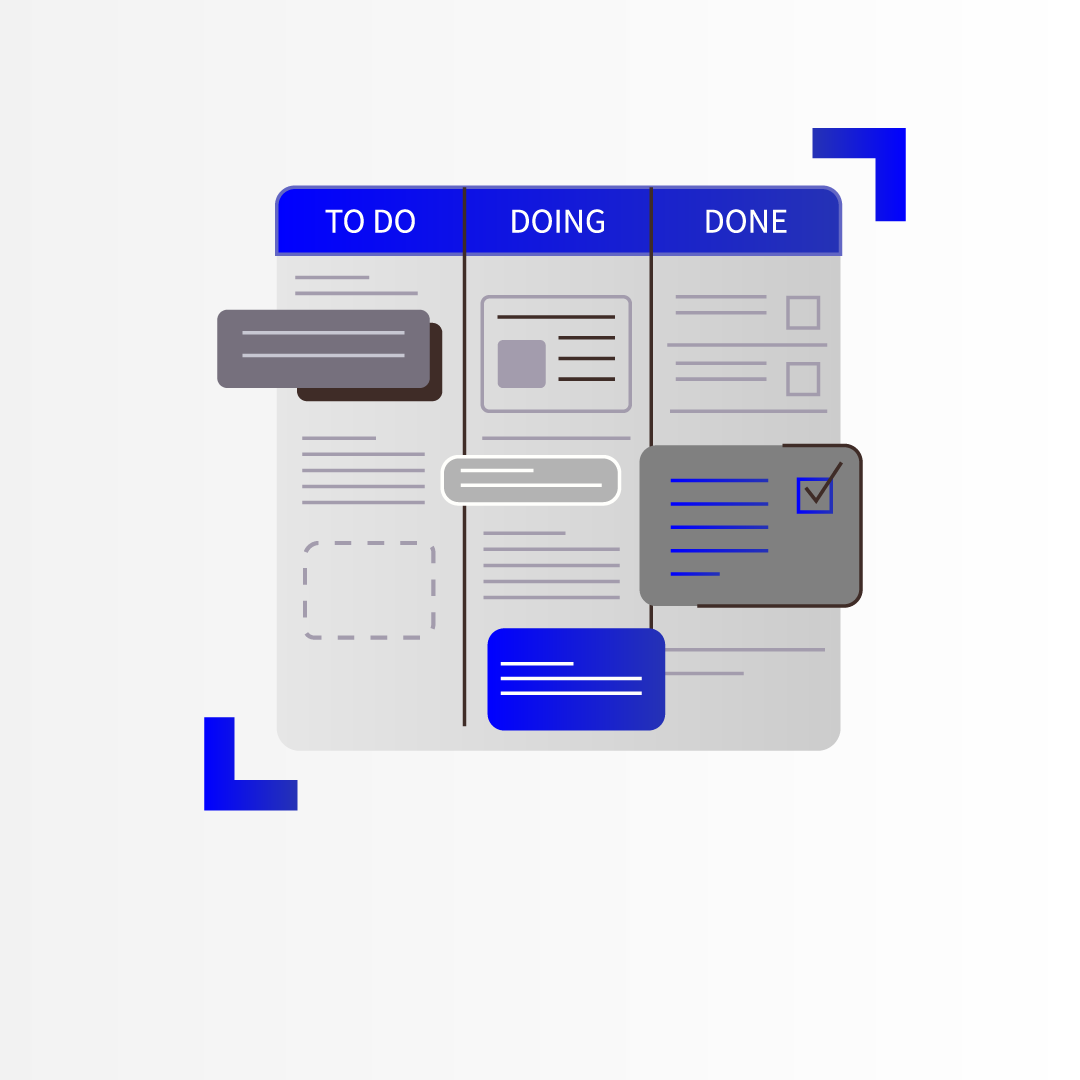
How to Guide Creative Work and Reduce Revision Loops
Revision fatigue isn’t a failure, it’s a sign your team needs clearer strategic direction to support faster creative execution.
Sustained Growth Requires Consistent Creative Support
For established B2B companies focused on sustained growth, an integrated creative partnership that provides always-on design support and scalable execution creates a true competitive advantage. It ensures the brand evolves alongside the business and that creative execution actively supports pipeline, positioning, and revenue.
Most companies already know what needs to be done. The difference is strategic execution. The companies pulling ahead aren’t doing more, they’re ensuring the right work happens, consistently, across every touchpoint that drives demand and conversion.
Paulsen Studio partners with established B2B companies to provide integrated creative and strategic support that strengthens brand visibility, accelerates demand generation, improves sales enablement, and supports revenue growth. Learn more.