Why Strong Brand Design Shortens B2B SaaS Sales Cycles
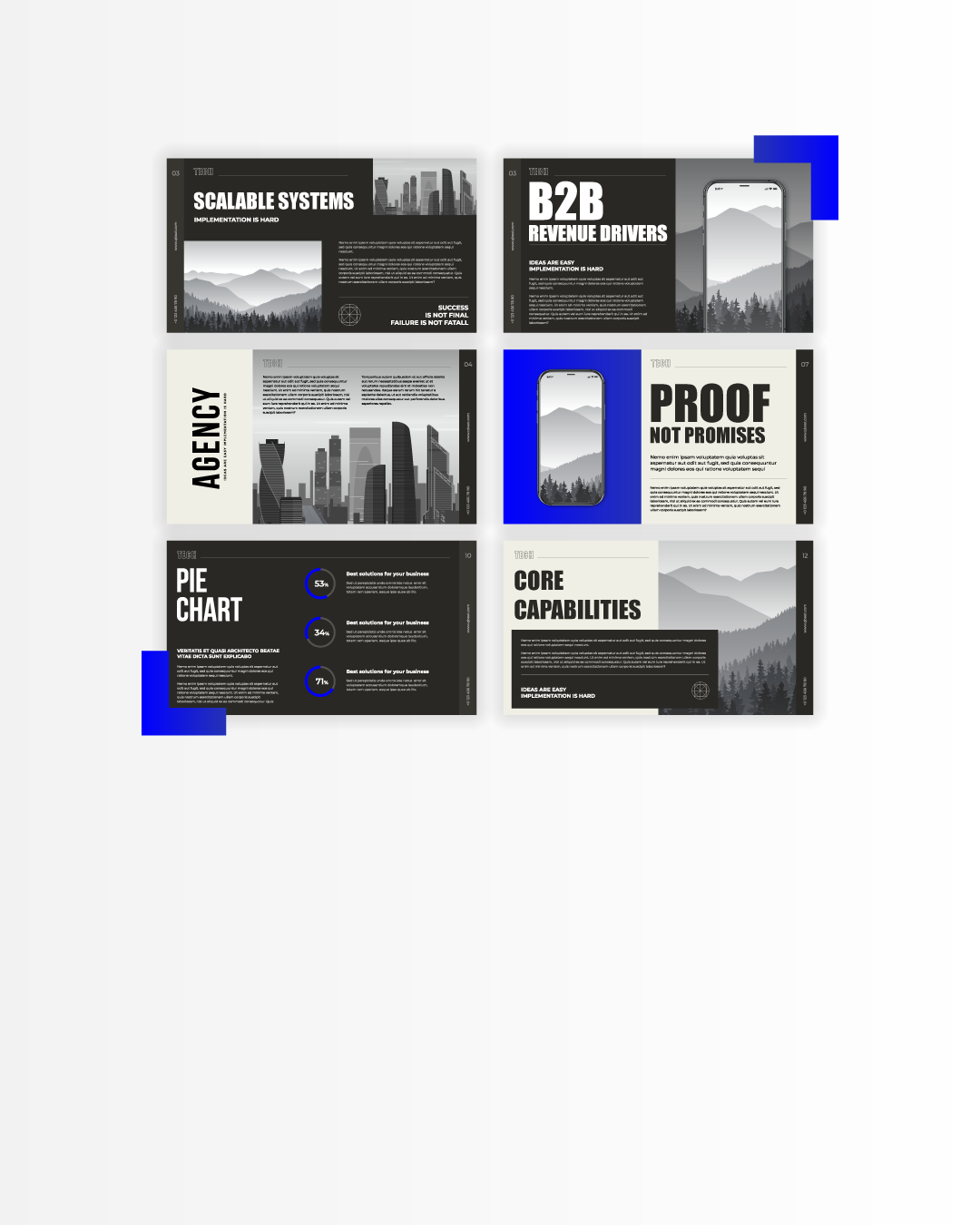
Your product isn’t the reason deals stall. Your story might be.
I’ve worked with many B2B SaaS marketing leaders carrying an invisible burden: a strong product, a capable team, healthy pipeline, and deals that still stall at the executive level.
It’s frustrating. And it’s rarely a product problem. More often, it’s a pitch deck design problem.
Marketing is doing its job by explaining features, workflows, and differentiation. But executive buyers aren’t evaluating features. They’re evaluating business impact, risk, and confidence in the decision.
They’re asking: “Will this move the business forward, and can I stand behind this choice?”
Design plays a critical role in helping them answer that question quickly and confidently.
The shift: designing for the buyer, not just the user
Users care about how the product works. Executives care about what the product makes possible.
When design and messaging focus primarily on functionality, executives are left doing extra work to connect the dots. That friction slows decisions.
This is where conversion-focused brand design and sales enablement design for SaaS teams can create meaningful impact by helping the right people understand its value faster.
Three questions that help design support revenue, not just aesthetics
When partnering with SaaS marketing teams, these are the questions we align around:
1. How quickly can an executive grasp the value?
Executives don’t have the time to decode dense slides or complex product features. Clear hierarchy, focused messaging, and thoughtful layout structure help them immediately see what matters: the business outcome.
This is especially critical in pitch deck design for B2B startups and enterprise sales materials, where early clarity builds momentum and confidence.
2. How can design help reduce perceived risk?
Every touchpoint communicates something about your company’s readiness. Consistent, intentional brand systems signal operational maturity. They help buyers feel confident that your team is thoughtful, capable, and prepared to support them long-term.
This is why strategic brand refresh initiatives often unlock growth by aligning perception with reality. It’s not about changing the product or selling structure, but by helping others see it more clearly.
3. How can design make decisions easier?
Good design guides attention. It helps executives quickly understand what’s important and why it matters.
In one SaaS brand refresh, the product was strong, but the decade-old visual identity and clunky interface made it hard for executives to see value. Sales cycles dragged on, not because the product lacked value, but because buyers couldn’t grasp it at a glance.
By modernizing the brand, we created a clear, cohesive system that guided decisions at every touchpoint. A strategic brand refresh helped buyers understand value immediately and reduced perceived risk. The result was shortened sales cycles, higher product adoption, and stronger market perception. Strategic design didn’t just support the product, it made it easier for the right people to act confidently and move deals forward.
The most effective SaaS marketing teams treat design as a growth lever
The strongest marketing leaders I partner with don’t see design as a finishing touch. They see it as core infrastructure for communicating value.
Their brand, website, and sales materials work together to:
Help executives understand value faster
Build trust earlier in the sales cycle
Strengthen internal buy-in among stakeholders
Support sales conversations and shorten sales cycles
This is the real work of a strategic B2B SaaS brand design studio: helping marketing teams translate vision into conversion-supporting systems. Not just to look better, but to perform better.
Design doesn’t replace strategy. It amplifies it.
If your product is strong but deals are slowing, it’s not a failure. It’s a signal that your team has outgrown the way your story is currently being told.
With the right alignment between marketing, sales, and design, that story becomes easier to understand, trust, and say yes to.
And when that happens, your design stops being a cost center and becomes a growth driver.
Ready for the CTA?
If this got you thinking, let’s keep the conversation going. I share more on design for B2B SaaS over on LinkedIn, and I’d love to hear your perspective. Follow me there and let’s swap ideas on what’s really driving revenue.