The Hidden Context That Makes or Breaks Design Feedback
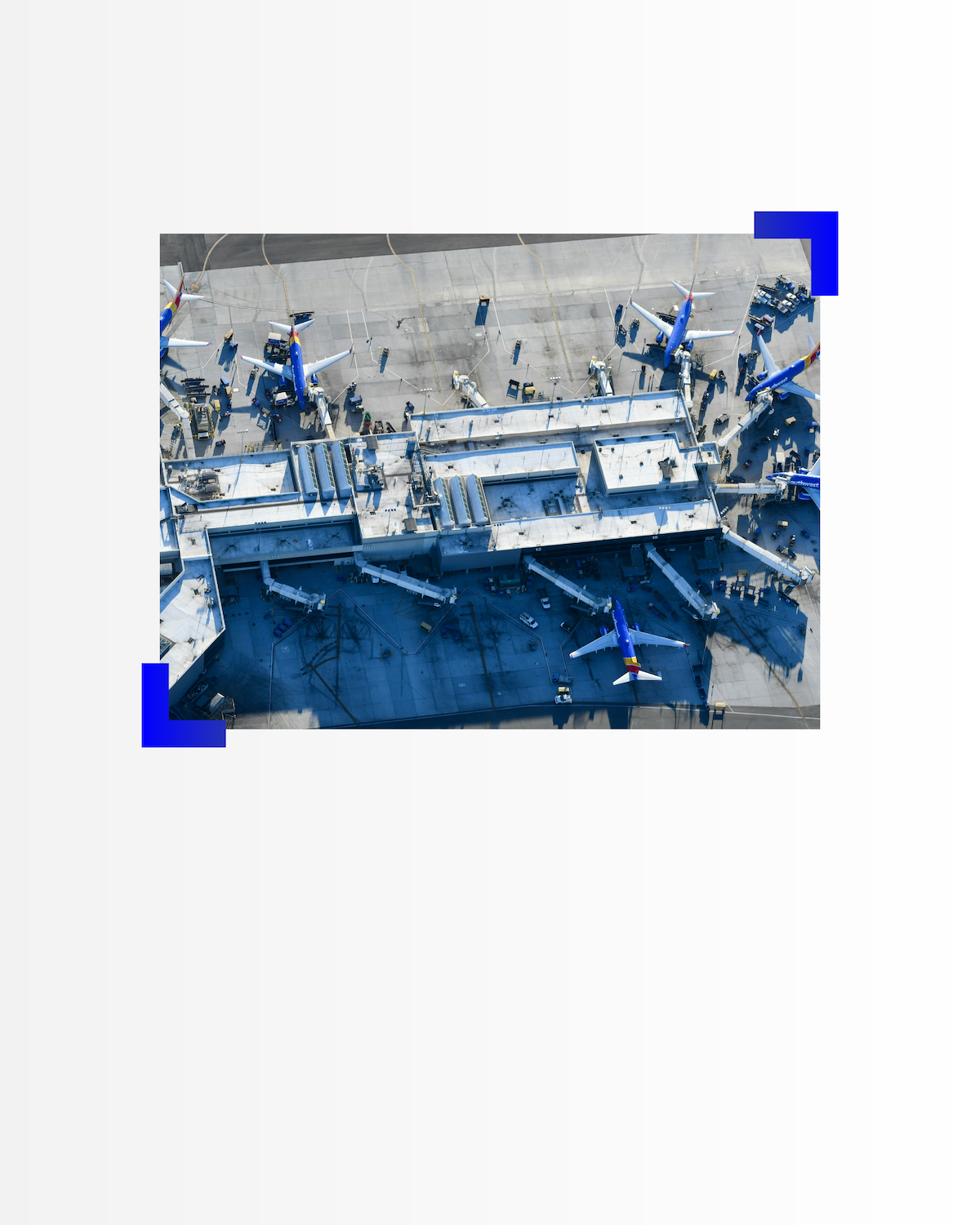
I pulled into LAX arrivals, juggling dropped calls and rising stress as horns blared around me.
They said they were by pillar “2.” I was at “2G,” asking over and over, “2 what?” After a few more confused calls, we still couldn’t find each other. I was sure they weren’t looking hard enough; they were sure I was making things up.
Then I paused.
“What level are you on — upper or lower?”
Suddenly it clicked. They were on the upper level, Departures. I was below, in Arrivals. They’d gotten turned around on their first visit to this huge airport, and we were each using the landmarks we had, not realizing the other was operating in a completely different frame of reference.
This is exactly how design feedback rounds get stuck. The designer and project manager are both trying to communicate clearly, but they keep going in circles because each is coming from a different context. Momentum stalls and frustration builds because they’re unknowingly operating on different assumptions.
The fix isn’t more emails or longer meetings. It’s asking big picture questions:
“How are we measuring success for this campaign?”
or
“When will we look at the data to see if the design or copy needs adjusting?”
Alignment doesn’t come from more of the same communication. It happens when someone steps back, checks context, and gets everyone on the same level.
Ready for the CTA?
If this got you thinking, let’s keep the conversation going. I share more on design for B2B SaaS over on LinkedIn, and I’d love to hear your perspective. Follow me there and let’s swap ideas on what’s really driving revenue.