Why the Best Client-Designer Relationships Feel Easy
There's a message I've come to recognize instantly. It usually arrives right before a deadline, starts with an apology, and ends with a request to rework something. The details vary from a simple content update to a full directional shift that needs to happen before tomorrow, but the emotional shape is always the same.
If you've ever sent one of those messages, you already know what was underneath it. Not the change itself, but the worry about how it would land. The imagined sigh on the other end. The reply that technically addresses the request but makes you feel like a burden for having made it.
That fear, that you've inconvenienced someone past the point of goodwill, is what makes the message hard to send. And it's completely unnecessary.
Projects don't move in straight lines
Anyone who's worked in events, marketing, or communications knows that information is always moving. Speakers cancel. Details get confirmed late. Someone higher up makes a call that ripples down into deliverables that were already "done." It's not a failure of planning. It's just how it works.
Design projects that touch live events are especially porous. You're working from a snapshot of a situation that's still evolving rather than the luxury of a fixed brief. The first draft is never the last one, and it shouldn't be. The work has to evolve as the information comes in, or you’ll never get everything done.
The part nobody talks about
When a client apologizes to me for a design edit request, it usually means a few things:
They care about the relationship.
They're paying attention to how the collaboration is going.
They don't take responsiveness for granted.
But it can also mean something else: that somewhere along the way, a designer made them feel like changes were a problem. Like the brief was a contract instead of a starting point. Like asking for something was an imposition rather than just part of the work.
If that's been your experience, I want you to know upfront: it doesn't have to go that way.
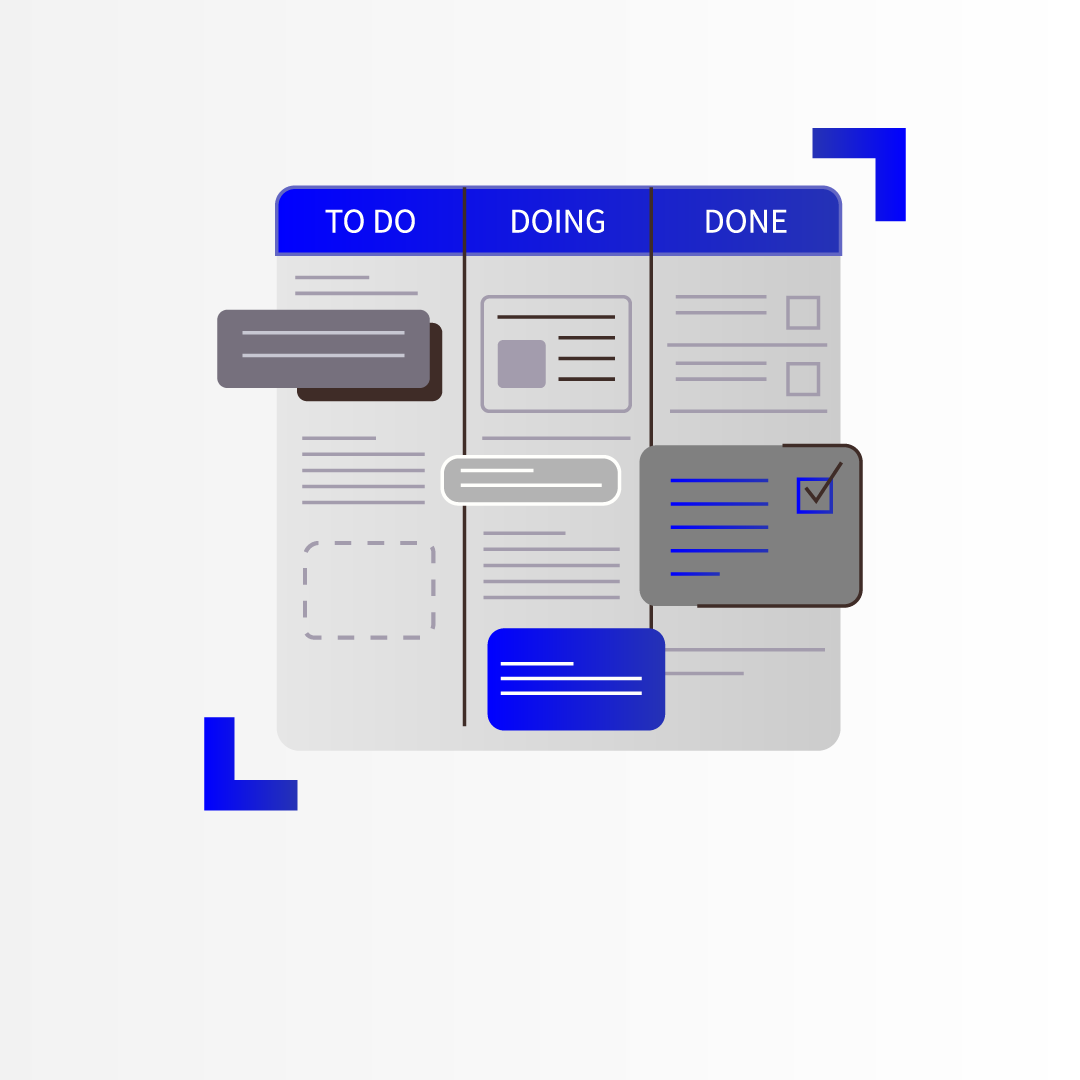
How to Guide Creative Work and Reduce Revision Loops
Revision fatigue isn’t a failure, it’s a sign your team needs clearer strategic direction to support faster creative execution.
What working together actually looks like
The changes are going to come. The late confirmation, the icon swap, the stakeholder note that arrives after you thought everything was final. That's not a disruption to the process. That's the process.
What I care about is making sure that when those moments arrive, you're not spending any mental energy on how to frame the ask. The work is hard enough without managing the emotional labor of a poor working relationship on top of it.
The working relationships I value most aren't the ones that went perfectly. They're the ones where something shifted, we handled it together, and the work came out better for it.
That's what I'm building toward with every project. Not just work that performs, but a collaboration that actually feels good.
If you're starting a new project and you've been burned before, I'd love to talk. No pitch, just a real conversation about what you're building and whether we'd be a good fit. Let's talk.