Why Strong Brands Don’t Rely on Designers for Every Decision
At some point, every growing company hits the same wall.
More campaigns. More channels. More people creating. And suddenly, the brand that once felt clear starts to feel inconsistent. Design gets pulled into everything, not because it should, but because it has to.
It’s a familiar pattern: too many disconnected outputs, not enough shared understanding. The result is diluted brand positioning, inconsistent execution, and a constant loop of approvals, fixes, and rework.
It looks like a design problem. It’s not. It’s a systems problem.
The Shift: From Maker to Multiplier
The most valuable design leaders today aren’t the ones producing the most work. They’re the ones making it possible for others to produce better work.
That shift sits at the core of strong B2B brand strategy.
It requires moving:
From deliverables → systems
From control → clear expectations
From design as a service → design as a strategic partner
Because if your brand only works when designers touch it, it’s not a strong visual brand system. It’s a bottleneck.
What a Scalable Brand System Actually Looks Like
A strong brand doesn’t just rely on good taste. It’s grounded in clear brand strategy and reinforced through a system that scales.
That system doesn’t just define how things look. It defines how decisions get made.
When I led a brand refresh for an identity security company, the work was part of a larger rebranding strategy tied to growth and acquisition. The goal wasn’t just to elevate the visual identity, it was to operationalize the brand so internal teams could move faster without sacrificing quality.
We built a flexible visual brand system: modular components, repeatable layouts, and clear guardrails across typography, color, and messaging. But more importantly, we translated the brand positioning into something teams could actually use.
Not in theory, in a series of documents with real examples, templates and use cases across marketing, product, and sales. Then we pressure-tested the system early with non-designers. Where things broke, we refined. Where things were unclear, we simplified.
The result wasn’t just consistency. It was confidence.
Teams moved faster. Design stepped out of production and into higher-impact work. And the brand held together as the company scaled.
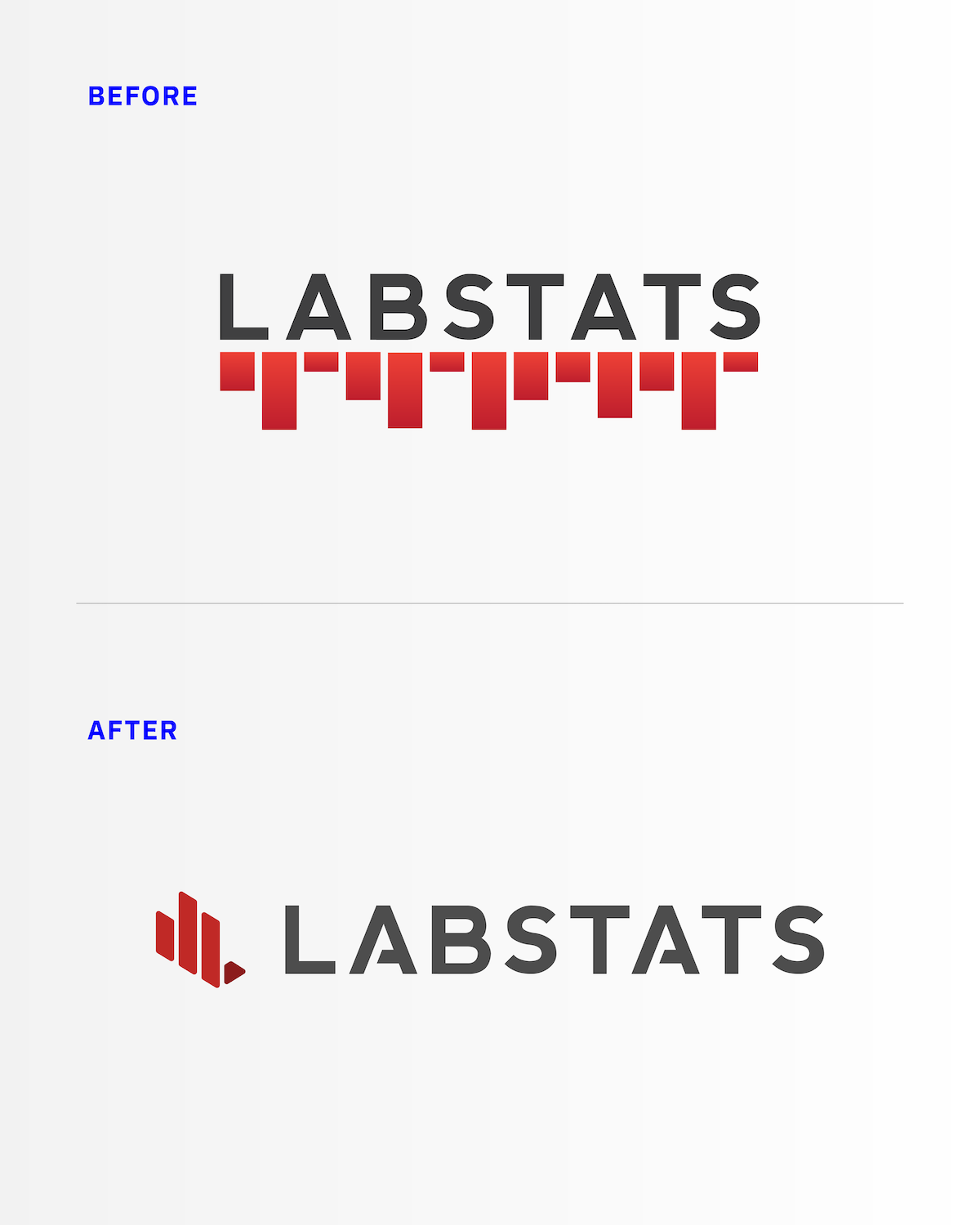
CASE STUDYTransforming a SaaS Brand to Unlock Growth and Acquisition
By rebranding and scaling content, I boosted organic traffic by 80.9%, accelerated sales cycles, and helped position the company for a successful acquisition.
Raising the Bar Across the Business
A strong B2B brand strategy doesn’t stop at marketing. It shapes how the entire company operates. At an education-focused SaaS company, the issue wasn’t just outdated visuals, it was a fragmented experience that impacted product adoption, retention, and growth.
The product was powerful, but hard to navigate. The brand didn’t reflect the value. Sales, development and marketing teams were working hard, but not aligned around a shared definition of success. So we reset the foundation.
I worked across marketing, product, and leadership to clarify the brand positioning, then rebuilt the brand and experience to make complex data feel intuitive and approachable.
But the real shift wasn’t visual, it was cultural.
By bringing stakeholders into the process and making the brand strategy accessible, the team started to operate differently. There was alignment around what we were solving for, and a shared understanding of each team’s role in accomplishing the greater business goal.
Adoption increased. Engagement improved. Pipeline and win rates grew. And ultimately, the company was acquired at a higher-than-expected valuation.
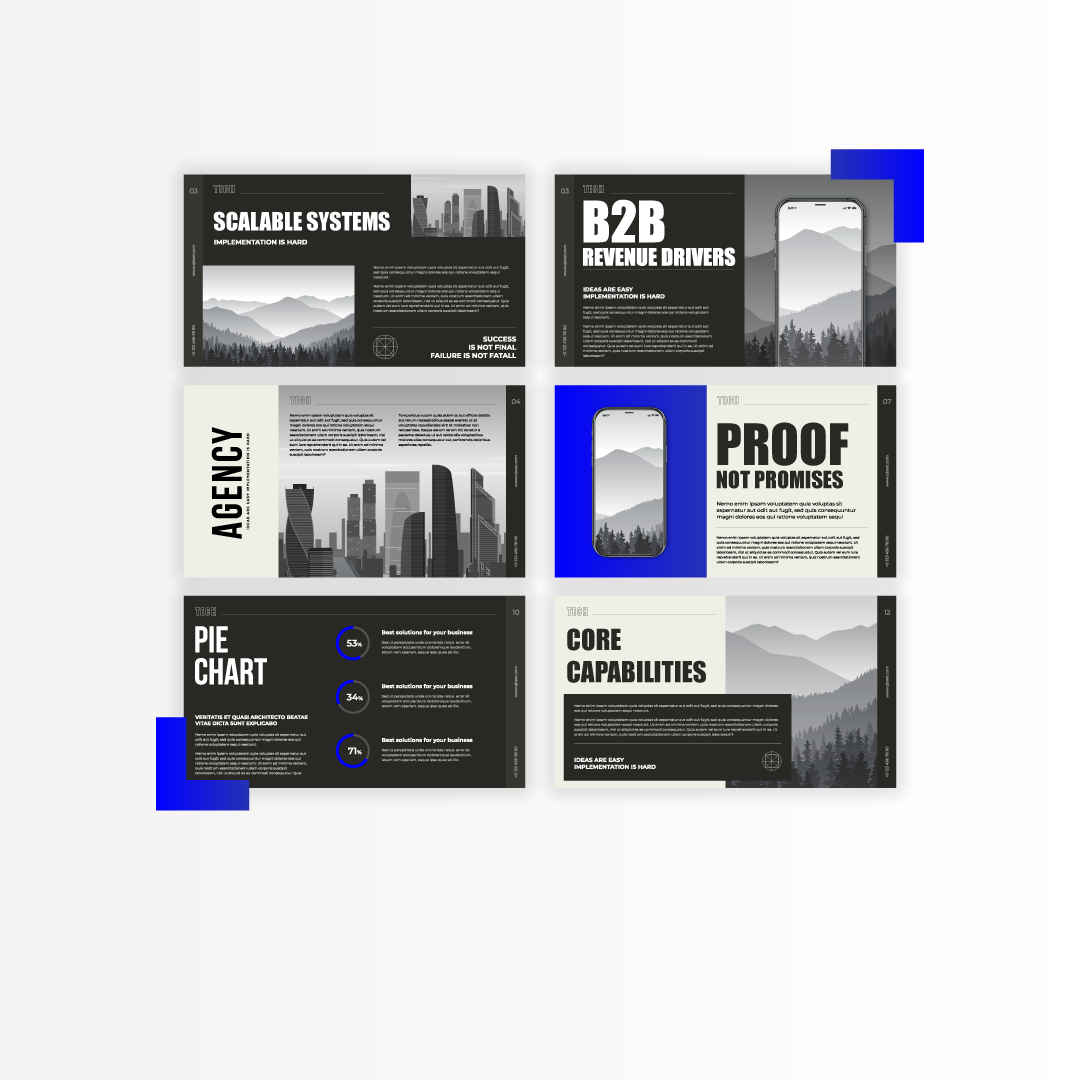
Why Strong Brand Design Shortens B2B SaaS Sales Cycles
Conversion-focused brand design and pitch deck strategy help executives understand value quickly, trust your company’s readiness, and make faster decisions, turning design into a driver of revenue, not just aesthetics.
Start with Scalable Design Systems
If you want your brand to scale, don’t start with more output. Start with better systems.
Build a visual brand system your team can actually use. Treat your rebranding strategy as an opportunity to create alignment across diverse teams, not just a shiny new look.
Because the goal isn’t to be the person who makes everything. It’s to build a brand that works, whether you’re in the room or not.
Ready for the CTA?
If you’re investing in growth, your B2B campaign strategy should be working as hard as the rest of your business. Let’s make creative your competitive advantage.