The Real Risk of Hiring a Freelance Designer for Technical Work
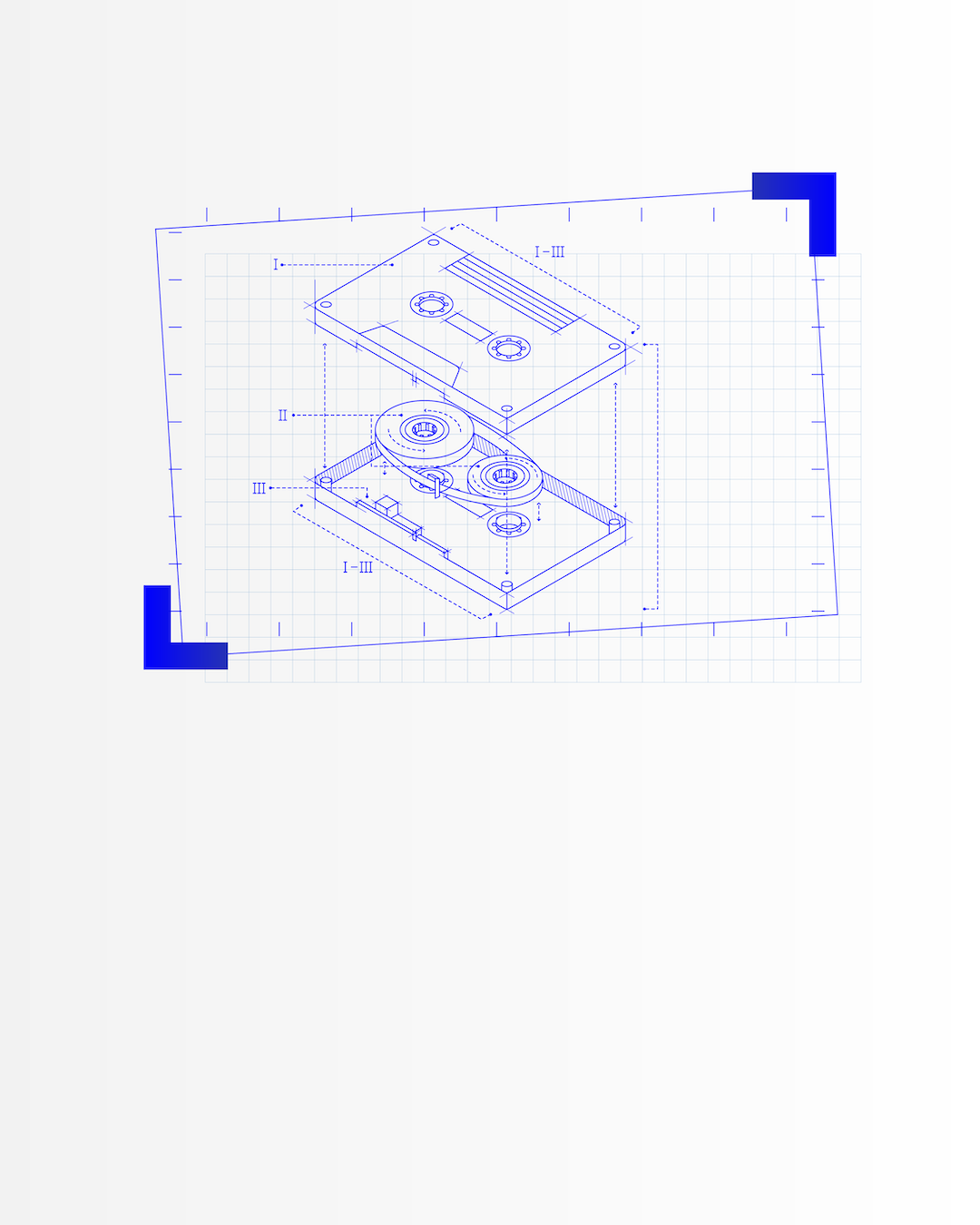
On a recent project I was designing way outside my comfort zone. It was highly technical with specialized syntax, domain-specific icons, and precise naming conventions. Notation had to be exactly right, in ways I had no way to verify on my own.
I understood the design problem completely. I understood the subject matter almost not at all.
I told the client that directly, early, and with enough lightness to keep the conversation easy. What I needed them to understand was that accuracy of the technical content was theirs to verify, and that I was going to make that review as easy as possible. What I was committing to was everything else: the design, the layout, the production quality, and flagging every element I wasn't certain about before it went anywhere near a printer.
The project came with a stack of source files that had their own problems. When I brought the content into Figma, the import process broke every word in its own separate text box, the kind of mess that could quietly corrupt the accuracy of technical content if you tried to patch it rather than fix it properly. With an impending deadline I retyped everything. I told the client what I'd done and asked them to review it carefully, because the precision mattered and I was working at the edge of what I could verify myself.
That kind of transparency isn't a confession. It's how the work is supposed to run.
The real risk of hiring a designer for technical work
There's a specific kind of risk that doesn't come up much in conversations about hiring freelance designers, but marketing leaders in technical industries run into it constantly:
“What happens when the designer doesn’t understand your product, and doesn’t say so?”
Anywhere the subject matter has its own internal logic that exists outside the designer's training, for instance: cybersecurity, infrastructure software and regulated industries pose a risk. If content has syntax that has to be exact, terminology that's load-bearing, or technical conventions, your audience will notice mistakes immediately.
The risk isn't that a designer will refuse to work on it. Most will take it on. The risk is what happens inside the project when a designer doesn't know what they don't know.
The errors that result tend to be quiet ones. An icon that isn't labeled correctly. A notation that looks right but is missing a bracket. Terminology that's been subtly changed for readability but now means something different to someone who actually uses the product. The marketing team reviewed it and no alarms went off, so the file shipped.
But in technical industries, the cost of getting it wrong isn't just aesthetic, it's credibility.
A cheat sheet with wrong syntax, a product diagram with mislabeled components, a sales deck that misrepresents a feature: these things get noticed by exactly the people you most need to impress.
This is the gap that a good designer actively closes, not by developing deep technical expertise in every client's domain, but by being clear about where their expertise ends and the client's begins.
What a clear division of labor actually looks like
The client has the subject matter expertise. The designer has the design expertise. A good collaboration keeps those roles clear rather than blurring them in ways that create gaps nobody is covering.
In practice, on that project, it meant flagging every element I wasn't certain about at draft stage, like a missing icon in the key, unlabeled assets that hadn't made it into the source files, a section of notation where I needed the client to confirm the spacing rules before I could get it right. Each question was specific enough to answer quickly. The goal was to move the project forward, not to create a Q&A the client had to untangle.
And when the client sent feedback, they did the same thing back: numbered screenshots matched to a numbered list, each item precise enough that I could make the change without guessing at the intent. That's what a functional collaboration between a designer and a subject matter expert looks like: each side doing what they're actually qualified to do, and making the other's job easier rather than harder.
The best outcome in this kind of project isn't that the designer learns your domain.
It's that the designer and the subject matter expert end up working as a system.
How to Guide Creative Work and Reduce Revision Loops
Revision fatigue isn’t a failure, it’s a sign your team needs clearer strategic direction to support faster creative execution.
How trust gets built when the subject matter is unfamiliar
Trust in a client-designer relationship isn't built by the designer knowing everything. It's built by the designer being consistently honest about what they know, what they don't, and what they're doing about it.
Partway through that project, a higher-priority delivery came in from another member of the client’s team and shifted my timeline by about a week. I sent a brief note before the original deadline, a clear heads-up with a new date. No elaborate explanation. Just: here's where things stand, here's the new date, here's what I need from you in the meantime.
For a marketing leader managing multiple vendors and internal stakeholders, that kind of communication matters. A missed deadline with no warning creates a cascade where the client has to chase, the schedule has to be rebuilt, and trust takes a hit that takes real time to recover. A proactive note before the deadline costs almost nothing and preserves all of that.
The expectation to communicate deadline shifts shouldn't be heroic, it should just be clear and early.
When a marketing leader can trust that a designer will surface problems rather than absorb them silently, the project stops feeling fragile. That's a different working experience than most teams are used to from freelancers, and it's the one worth seeking out.
What happens when it goes right
That project ended with the client sending photos of the finished product the morning it arrived from the printer, thrilled to share right away.
Technically precise, visually stunning, and most importantly, ready to put in front of an audience that would know immediately if anything was off.
That's what happens when the design work is rigorous and the collaboration is honest, even when, maybe especially when, the subject matter is entirely outside the designer's expertise. Both sides bring what they actually know. Both sides stay clear about what they need. The result is something neither could have produced alone.
That's the working relationship worth building.
Ready for the CTA?
If you’re navigating technical complexity and want a design partner who knows where their role starts, and stops, let’s talk.