When the Brief Changes Mid-Project: How Agile Design Thinking Saves the Work
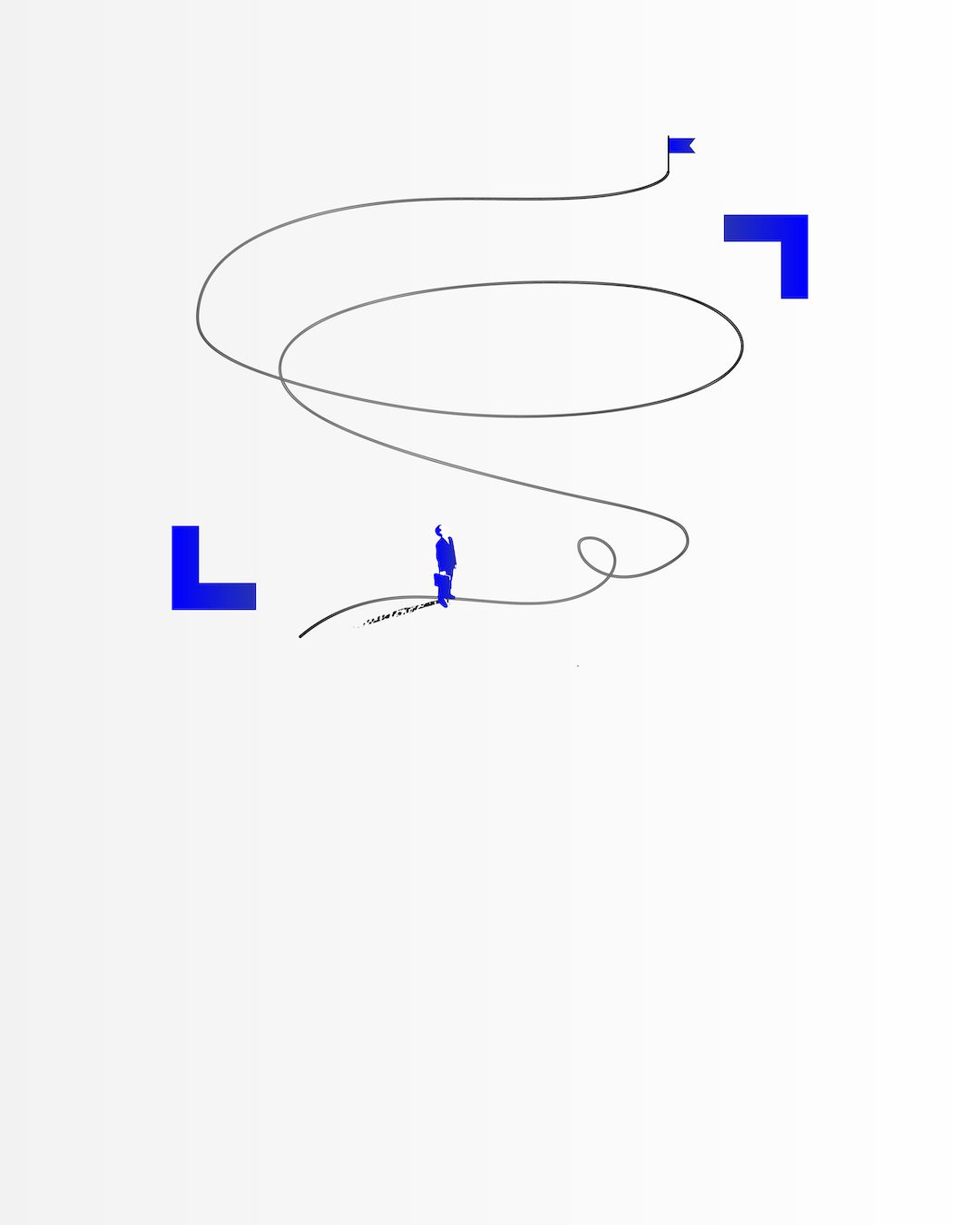
Most design briefs arrive with some version of the same caveat: the content is still being finalized, the priorities are still shifting, and the timeline is the only thing that's fixed.
That's not a planning failure. It's the normal condition of real design work, especially anything tied to a live business deadline.
On staying useful when the plan falls apart
I've seen this play out in both directions. Sometimes the brief changes because the market shifts and the original creative direction no longer fits the moment. A client had built a whitepaper that was well-designed but wasn't converting. The content was strong, the problem was that the real story, a measurably faster and less risky path for their customers, was buried under technical language and dense formatting. The brief didn't change because something went wrong. It changed because we got clearer about what the work actually needed to do.
We redesigned it together. Same information, completely different format, something more visual, more playful, and structured around the contrast between the two paths rather than the technical details of one of them.
The message that had been getting lost became impossible to miss.
A case for moving forward before everything is ready
Other times the brief changes mid-execution, a stakeholder redirects, a deadline moves, a content decision gets unmade and remade. On a recent project, I came into a deck with a hard deadline and partial content. Some slides had everything they needed. Others were placeholders waiting on inputs from multiple contributors. There was no clean starting line.
The instinct in that situation is to wait for the brief to stabilize. That instinct is expensive. Every hour spent waiting is an hour the project doesn't move, and when the deadline is fixed, those hours come out of the time available to do good work.
The better approach is to start where you can, build a system flexible enough to absorb what's coming, and flag what's missing early enough that the right people can fill the gaps before it matters. The designer's job isn't to wait for perfect conditions. It's to be useful in the ones that exist.
Why I stop waiting for the perfect brief
Midway through that same project, I noticed the chapter slides felt visually disconnected from the rest of the deck, a residue of an earlier design direction that hadn't been resolved into the new visual language. Nobody flagged it. Nobody asked me to fix it. I flagged it myself, noted it was lower priority than the content gaps, and resolved it when time opened up. Small things like that are almost never in the brief. They're what make a deck feel cohesive rather than assembled.
The instinct is to treat a changed brief as a setback. In practice, the constraint that forces a rethink is often what separates creative that's merely correct from creative that's genuinely better. A designer who can hold the system together while the brief is shifting, who knows how to absorb a new direction without rebuilding from scratch, isn't just managing chaos. They're doing the most valuable design work there is.
The brief that changes is often the brief that teaches you what the work actually needed to be.
Ready for the CTA?
If this got you thinking, let’s keep the conversation going. I share more on design for B2B SaaS over on LinkedIn, and I’d love to hear your perspective.