The Design Skills Gap: Why "Making It Look Good" Isn't Enough Anymore
Let's be honest, for a long time, design got a pass if it looked great.
A slick website, a polished deck, a clean app interface. Stakeholders nodded. Leadership signed off. Nobody asked the harder question: so what did it actually do?
Sound familiar? It's the same trap marketing fell into with SEO, chasing rankings and traffic as if they were the destination, not the road. We've mostly moved past that. Design hasn't, at least not fast enough.
The stakeholders you're presenting to now want more than something beautiful. They want to know how it performs. Does it convert? Does it retain? Does it shorten the sales cycle or reduce churn? Those aren't unreasonable asks. They're the right asks.
The gap isn't about talent. It's about training.
Most designers are exceptionally good at craft. Clean layouts and elevated typography gets them in the room. What keeps them at the table is something different: the ability to connect their decisions to outcomes you actually care about.
Here's what that looks like in practice.
When I was working in-house, we'd launch something like a product feature, a campaign, or a landing page, and the question always came back around: to what end?
QR codes are easy to drop into a design, but mapping the nurture path they feed into, shortening the sales cycle they're part of, and tailoring the CTA to the channel is the harder, more valuable work. And it all ties into the design.
That's the gap. Not skill. Fluency.

Why “Safe” AI Direction Is Risky for Your Brand
AI can generate endless design options, but in B2B marketing, your real advantage comes from human judgment, taste, and strategic decision-making.
What marketing leaders are starting to ask their design partners
You're probably already asking some version of these:
How will this design affect customer acquisition?
Can this interface actually reduce churn?
Will this experience move the needle on lifetime value?
These aren't trick questions, but they do require designers who think beyond the deliverable. Technical execution is table stakes.
What separates a good design partner from a great one is:
Business fluency — they understand CAC, LTV, EBITDA, and why those numbers matter to you
Strategic thinking — they're solving problems, not just executing briefs
Stakeholder communication — they can walk a skeptical CFO through a creative decision without losing the room
AI-assisted design tools are useful, but they're accelerators, not differentiators. Strategy is the new differentiator.
What it actually looks like when design works strategically
The best design partners aren't order-takers. They're thinking about the full picture:
Product understanding — they know what you're selling, who it's for, and how it's positioned before they open a single file
Value alignment — your pricing, messaging, and UX are all saying the same thing, reinforcing why this product is worth it
Smart placement — every touchpoint, from web to app to email to social, is doing deliberate work moving someone toward a decision
Friction removal — the interface isn't just attractive, it's clearing the path and nudging people forward
The output isn't just a visual. It's a set of experiences mapped to the customer journey with clear connections to measurable outcomes.
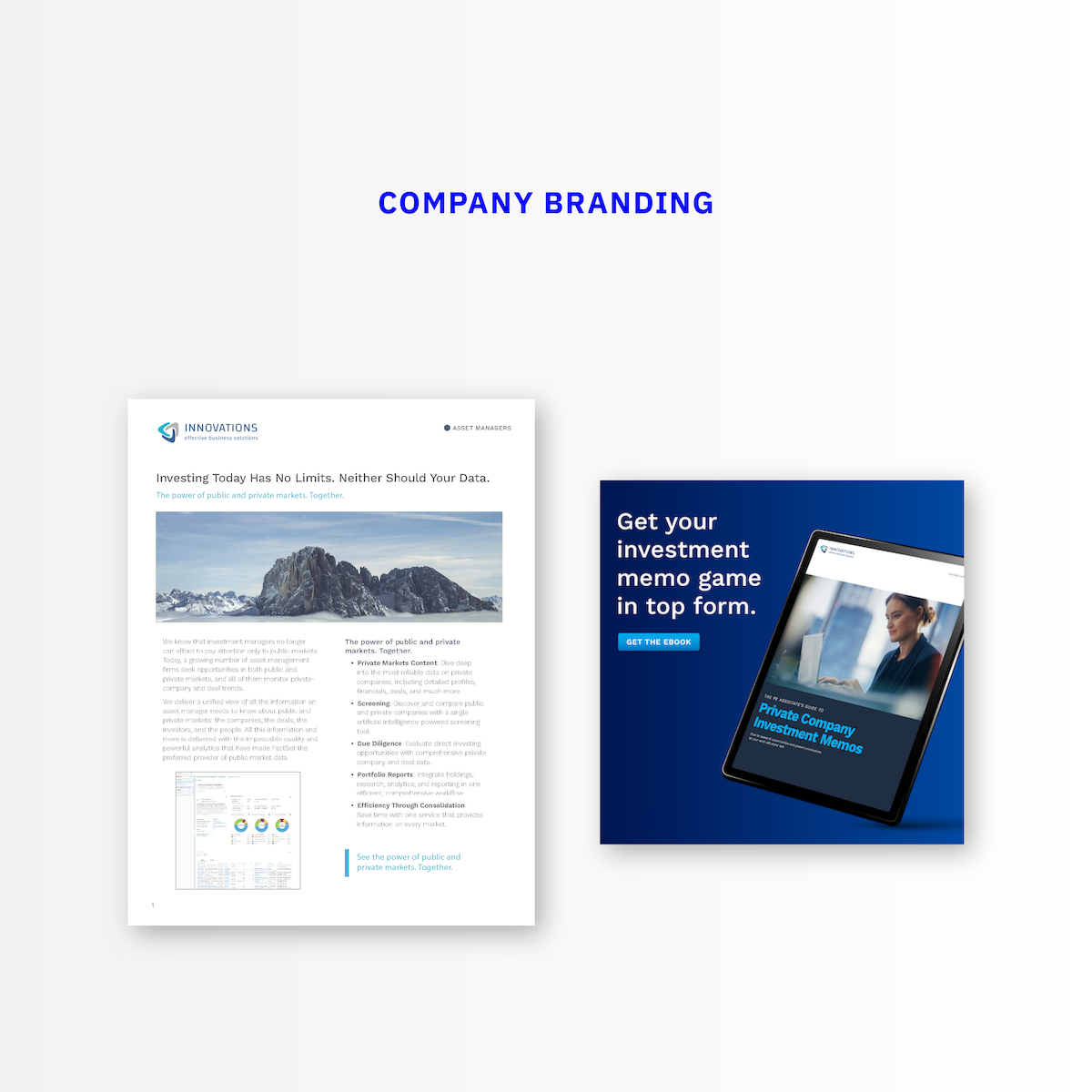
CASE STUDYCreative Strategy for a Fortune 500 Market Expansion
Navigating strict brand guidelines, we helped a Fortune 500 company launch a bold ad campaign and break into a new market.
The bottom line for your next hire or agency search
When you're evaluating design partners, look past the portfolio aesthetics. Ask them how a past project moved a metric. Ask them how they'd approach reducing drop-off on a pricing page. Ask them what they'd want to know about your business before starting.
The designers and studios worth working with won't flinch at those questions. They'll lean in, because that's the conversation they've been wanting to have.
To win in B2B SaaS, high-performing campaigns don’t just need assets, they need direction, intention, and creative that converts. If you’re ready to start a conversation, reach out.